Social norms, languages, religions, marriage practices, community structures, self-adornment– human societies vary in rich ways. Where does this cultural variation come from? How does it shape how humans think and behave? Rooted in cultural evolutionary theory, my research investigates these questions.
First, the main thrust of my research examines how features of culture, such as social norms and institutions, shape psychology and behavior. I take the perspective that the human mind has evolved to be highly plastic, molded by local economic, social, and cultural forces over the life course. As we grow up, our minds adapt to the local cultural milieu, shaping our preferences, cognitive biases, prosocial tendencies, moral judgements, personalities, and more. Over larger time scales, as cultural practices change, they pull psychology along, generating striking cross-cultural variation.
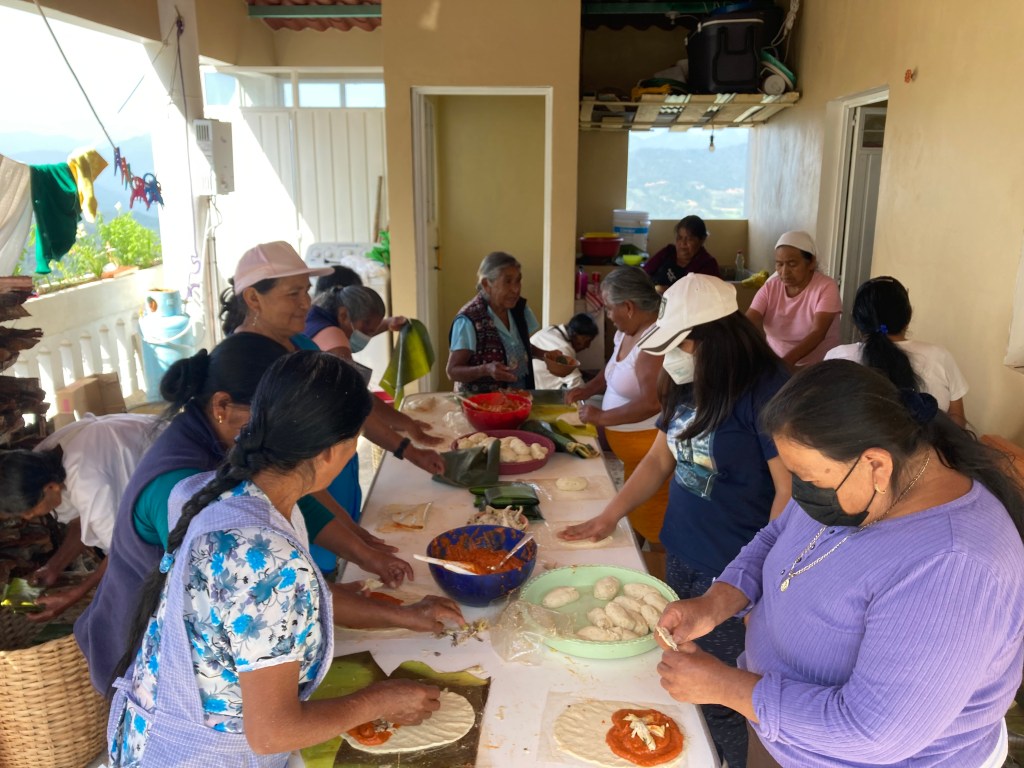
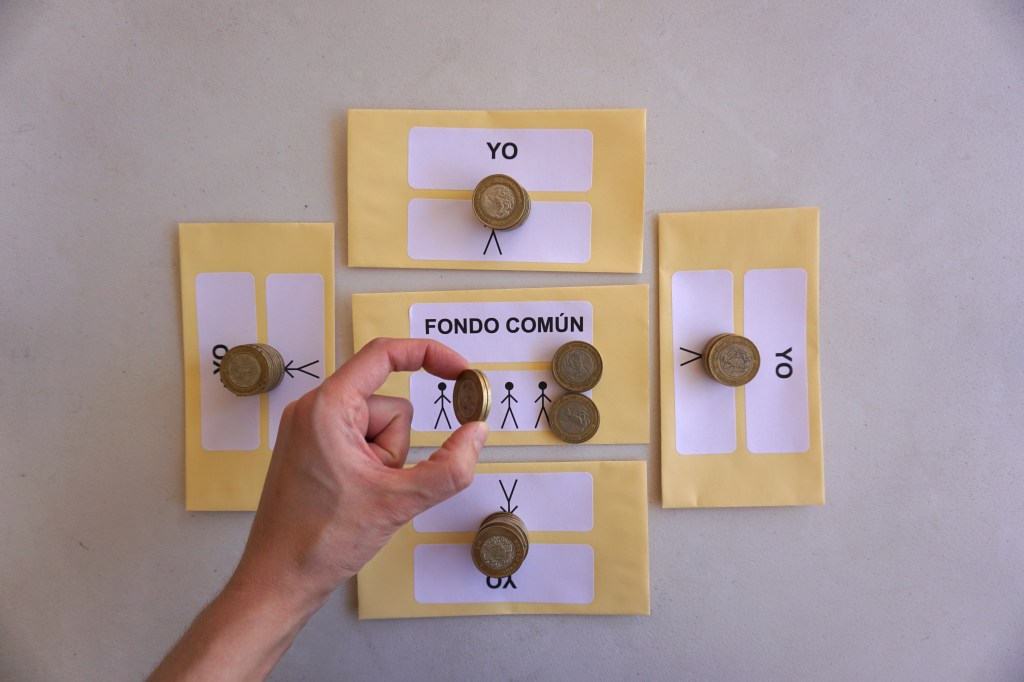
My recent work has focused on how social institutions shape cooperation. I have examined how institutions related to mutual aid and customary governance stabilize cooperation at my fieldsite in Oaxaca, Mexico (Curtin et al., 2024a), and how institutional variation across Oaxaca gives rise to variation in cooperation (Curtin et al., 2024b). In other work, I have investigated how kin-based institutions shape moral judgment across societies (Curtin et al., 2020).
Second, I consider how culture evolves. Where do cultural practices come from in the first place? How do practices change and spread over time?
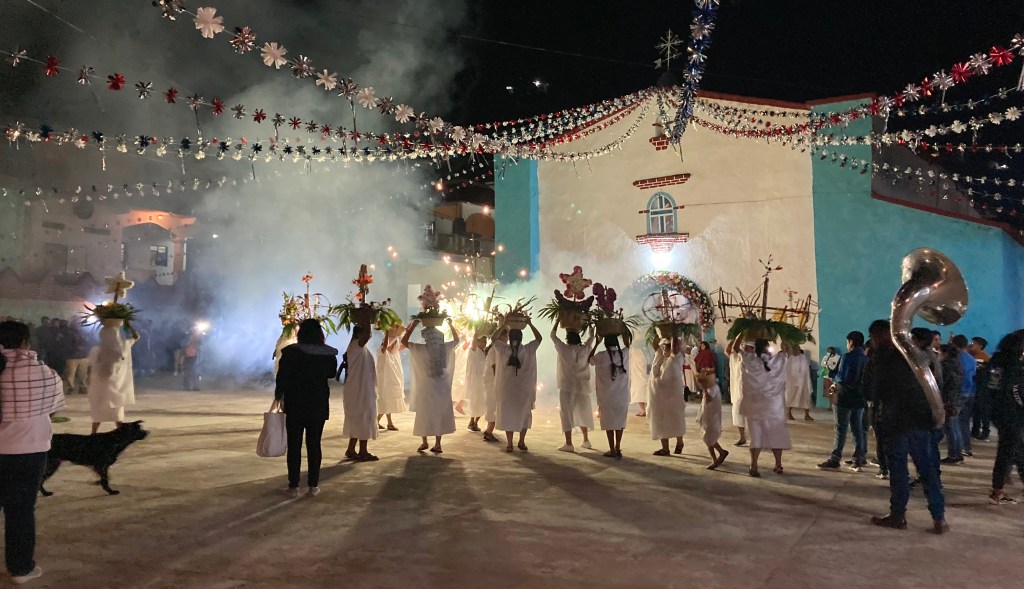
For example, in one recent project, I used a natural experiment at my fieldsite to test a hypothesis about the origins of collective rituals. Some researchers have proposed that costly collective rituals became cross-culturally ubiquitous because they enhance group cohesion and cooperation. I tested this hypothesis at my fieldsite by examining how cohesion and cooperation changed after a large collective ritual, the town’s patron saint festival (Curtin et al., 2024c).
 Cameron M. Curtin